
Creating a Pollinator Paradise: Native Plants for Attracting Bees & Butterflies
Creating a vibrant pollinator garden in Zone 3 of Wisconsin involves selecting plants that can thrive in the region's cooler climate while attracting a diverse array of pollinators, including the iconic monarch butterflies. One of the top choices for monarch-friendly plants is the aptly named Butterfly Weed (Asclepias tuberosa). Its vibrant orange flowers serve as a vital nectar source for adult monarchs while its foliage provides essential food for monarch caterpillars. Another excellent addition to the garden is the Purple Coneflower (Echinacea purpurea), which boasts striking pinkish-purple blooms that attract both monarchs and various species of bees.
For sustained pollinator activity throughout the growing season, consider incorporating Bee Balm (Monarda fistulosa) into the garden. This native perennial produces showy clusters of tubular flowers in shades of pink, purple, or white, attracting not only monarchs but also bees, hummingbirds, and other pollinators. Additionally, the Common Milkweed (Asclepias syriaca) is an indispensable plant for monarch conservation efforts, serving as the primary food source for monarch caterpillars. Its fragrant blooms provide nectar for a multitude of pollinators, making it a valuable addition to any Zone 3 pollinator garden in Wisconsin.
To round out the pollinator garden and ensure year-round interest, include plants like Wild Bergamot (Monarda fistulosa), which blooms from mid to late summer, and Joe Pye Weed (Eutrochium maculatum), which adds vertical interest with its towering pinkish-purple flower clusters in late summer to early fall. By selecting a diverse range of plants that bloom at different times throughout the season, gardeners can provide essential resources for monarchs and a plethora of other pollinators while adding beauty and biodiversity to their landscape in Zone 3, Wisconsin.
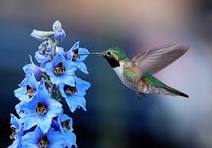
Especially for Hummingbirds and Butterflies....
In Zone 3 of Wisconsin, the arrival of monarch butterflies and hummingbirds heralds the beginning of spring and signals the start of their remarkable journeys. Monarchs undertake a remarkable migration, traveling thousands of miles from their wintering grounds in Mexico to reach their breeding grounds in North America. Similarly, hummingbirds embark on their impressive migrations from as far south as Central America to reach their northern breeding grounds. Both species arrive in Wisconsin during the early spring months, hungry and in need of sustenance after their long journeys.
The early spring pollinators play a crucial role in supporting the survival of monarch butterflies and hummingbirds upon their arrival in Zone 3. As they emerge from hibernation or migrate back to the region, these pollinators are essential sources of food for the weary travelers. Plants such as spring-blooming wildflowers, shrubs, and trees provide the necessary nectar and pollen that monarchs and hummingbirds rely on for energy to fuel their activities and reproduction.
For monarch butterflies, the availability of milkweed plants is particularly critical during their spring migration. Milkweed serves as the sole host plant for monarch caterpillars, providing essential nutrients for their growth and development. Additionally, early blooming flowers like crocuses, dandelions, and native wildflowers offer nectar sources vital for replenishing the energy reserves of both monarchs and hummingbirds. Without these early spring pollinators and their associated plants, the survival of these iconic migratory species would be jeopardized, highlighting the interconnectedness of all elements within the ecosystem.
In cultivating pollinator-friendly gardens in Zone 3, Wisconsin, incorporating a diverse array of early spring blooming plants ensures that monarch butterflies and hummingbirds have the resources they need upon their arrival. By providing a welcoming environment abundant with food sources, gardeners can contribute to the conservation efforts aimed at supporting these magnificent creatures and preserving their awe-inspiring migrations for generations to come.
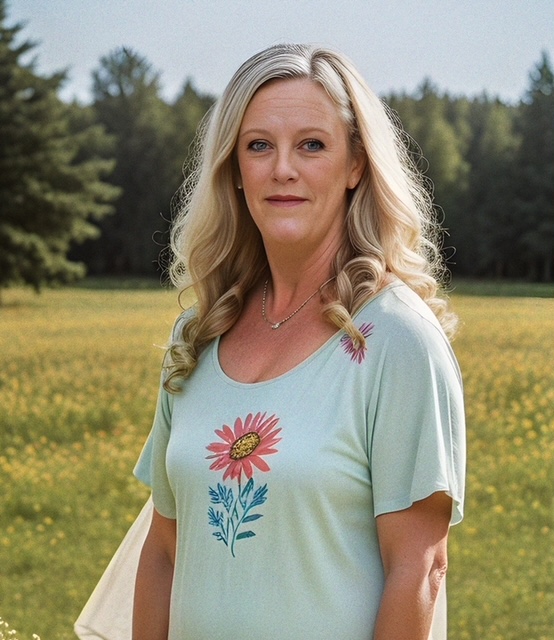
Terri Harings
Terri is a teacher, wife, mom, grammy and gardener in Zone 3 Wisconsin. Join her on Facebook or Instagram.


Transparency and honesty are very important to us!
Prices are exactly the same for you if your purchase is through an affiliate link or a non-affiliate link. You will not pay more by clicking through to the link.
We use two main types of affiliate programs:
:1. Amazon affiliate links. - Terri Harings of Harings' Haven is a participant in the Amazon Services LLC Associates Program, an affiliate advertising program designed to provide a means for sites to earn advertising fees by advertising and linking to Amazon properties including, but not limited to, amazon.com. Amazon offers a small commission on products sold through their affiliate links.
If a blogger links to an Amazon product (with a special code for affiliates embedded in the link), and a reader places an item in their “shopping cart” through that link within 24 hours of clicking the link, the blogger gets a small percentage of the sale. Amazon links are not “pay per click.” If you click on the product link and stay around Amazon and purchase something else, however, I will get commission on that sale. Anytime you see a link that looks like astore.com/… or amazon.com… it can be assumed that it is an Amazon affiliate link. 2. Product affiliate links. - These affiliate links work the same way: if you click the link and buy the product, then the blogger gets a percentage of the sale or some other type of compensation. Things like e-book bundles, e-courses, and online packages are usually affiliate links, as well. Again, prices are not different if you use these affiliate links. You will not pay more by clicking through to the link. These links are not “pay per click”, unless otherwise denoted.
What about sponsored content? We do not write sponsored posts. We want to bring you real, unbiased information. However, if a post is sponsored by a company and it is a paid sponsorship, we will disclose this clearly in the beginning of the post.
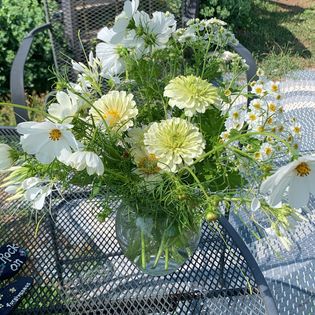
Harings' Haven is our small acreage in Northern Wisconsin, Zone 3.
We are real people and will do our best to respond!
Newsletter
Subscribe now to get weekly updates. Coming in March 2024!
I do not write sponsored posts, so all my words and opinions are my own. I want to bring you real, unbiased information. However, if a post is has a paid link, I will disclose this clearly in the beginning of the post. I may include affiliate links from time to time that include my link to that specific item or website. It doesn't cost you anything, but I may earn a small commission on any sales you choose to make. I only am an affiliate or ambassador with companies that I use and like--and hope that you will love them, too!
Created with ©systeme.io
